
Introduction
Choosing the right platform is the foundation of any successful online business. Open-source eCommerce platforms have become the go-to choice for modern entrepreneurs because they offer a blend of cost-efficiency, limitless customization, and complete ownership of data. Unlike "closed" software-as-a-service (SaaS) models, open-source tools allow you to modify the source code to fit your specific brand identity and functional needs.
Selecting the right eCommerce platform requires a strategic alignment between your current technical resources and your long-term business goals. In 2026, a "good" platform isn't just a digital storefront; it is an integrated command center that manages inventory across social channels and leverages AI for automation. To make the right choice, you must weigh the freedom of open-source control against the "operational debt" of maintenance. If your team lacks in-house developers, a complex system like Magento will likely become a bottleneck, whereas a more intuitive setup like WooCommerce or OpenCart allows you to focus on marketing rather than troubleshooting code.
Selection Criteria for the best eCommerce
When evaluating your options, use these five core pillars to determine the best fit for your business model:
- Technical Proficiency: Honestly assess your team's skills. Do you have PHP/Laravel experts (ideal for Bagisto or Magento), or are you more comfortable with a user-friendly CMS like WordPress?
- Total Cost of Ownership (TCO): Don't just look at the $0 price tag of open-source software. Factor in the costs of high-performance hosting, premium security extensions, SSL certificates, and the billable hours required for regular updates and patching.
- Scalability & Performance: Consider your trajectory over the next 18 months. If you expect massive traffic spikes (e.g., Black Friday) or need to manage 50,000+ SKUs, you need an enterprise-grade engine like Magento.
- Internationalization: If you plan to sell globally from day one, look for "native" support for multiple languages, currencies, and localized tax/VAT rules. PrestaShop is particularly strong in this area.
- Ecosystem & Integrations: Check for the availability of "ready-made" plugins for your essential tools—such as your CRM, accounting software, and modern shipping carriers. A platform with a shrinking community (like OpenCart) may lack the latest API integrations you need to stay competitive.
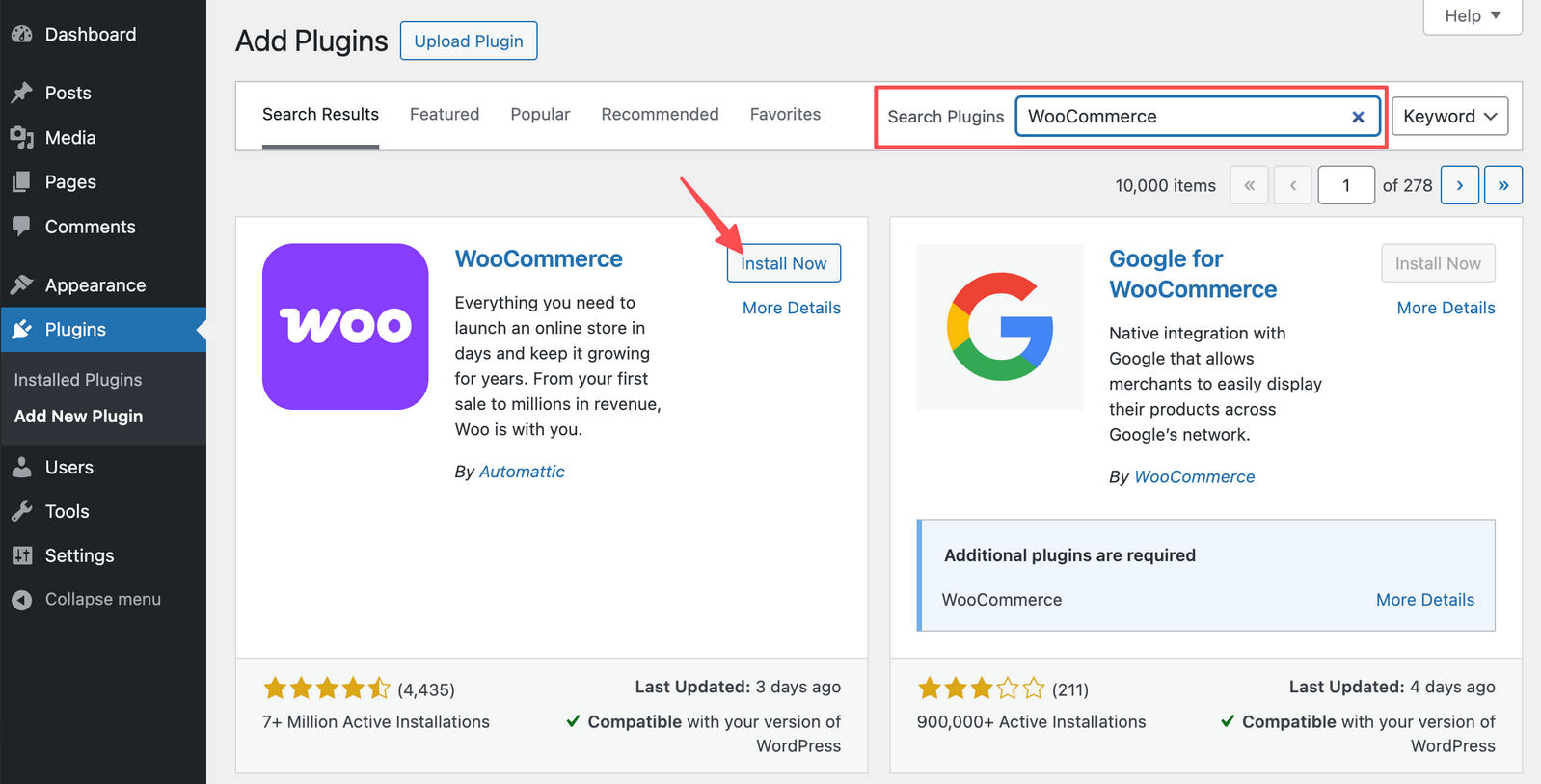
WooCommerce
WooCommerce is not a standalone platform but a powerful plugin for WordPress. Since WordPress powers over 40% of the web, WooCommerce is the most popular choice for those who want to integrate commerce into an existing website.
- Ease of Integration: Transform any WordPress site into a functional store with just a few clicks.
- Massive Ecosystem: Access to thousands of themes and plugins (like PayPal, Stripe, and Mailchimp) to extend functionality.
- User-Friendly: Ideal for small to medium businesses that want a familiar dashboard and a lower learning curve.
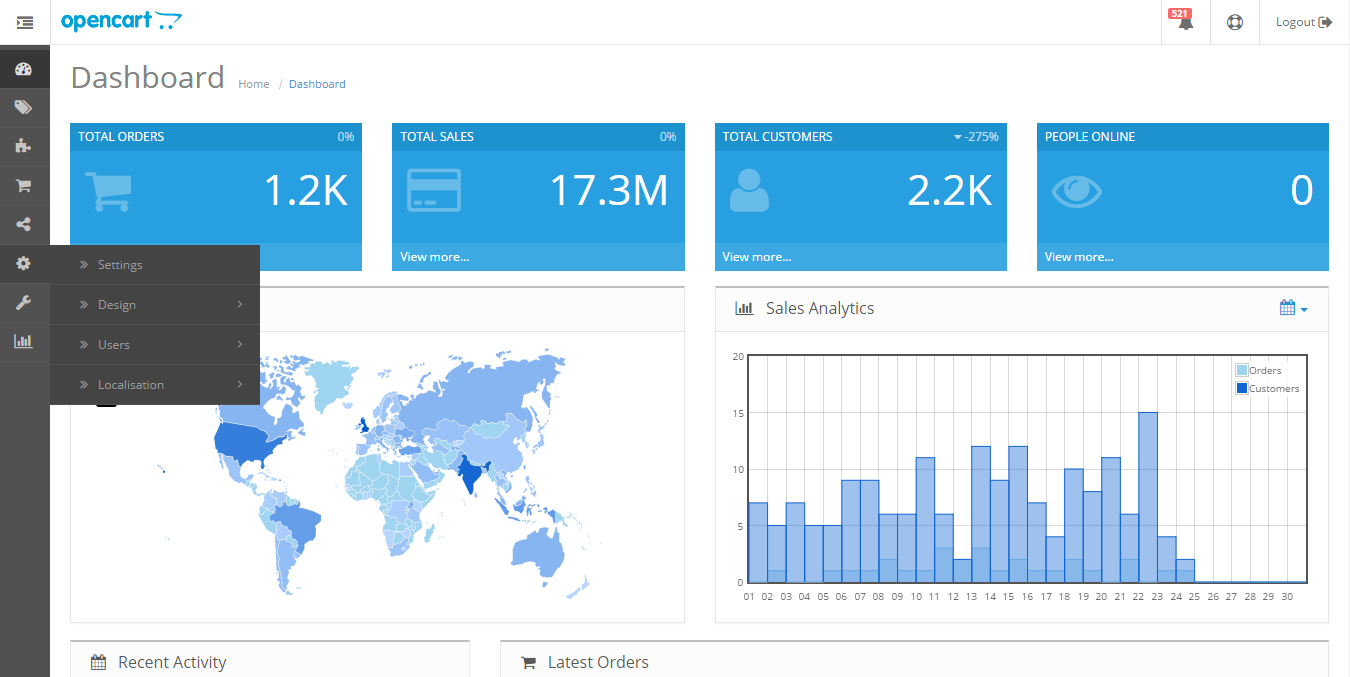
OpenCart
If you are looking for something "lightweight" and straightforward, OpenCart is an excellent option. It is particularly well-suited for small and medium-sized businesses that need a transparent, easy-to-manage retail project.
- Minimalist Interface: The latest 4.1 updates focus on a clean UI and high-speed performance.
- Built-in SEO: Includes customizable URLs and SEO tools to help your store rank higher on search engines.
- Responsive by Default: All standard themes are fully responsive, ensuring a seamless shopping experience on mobile devices.
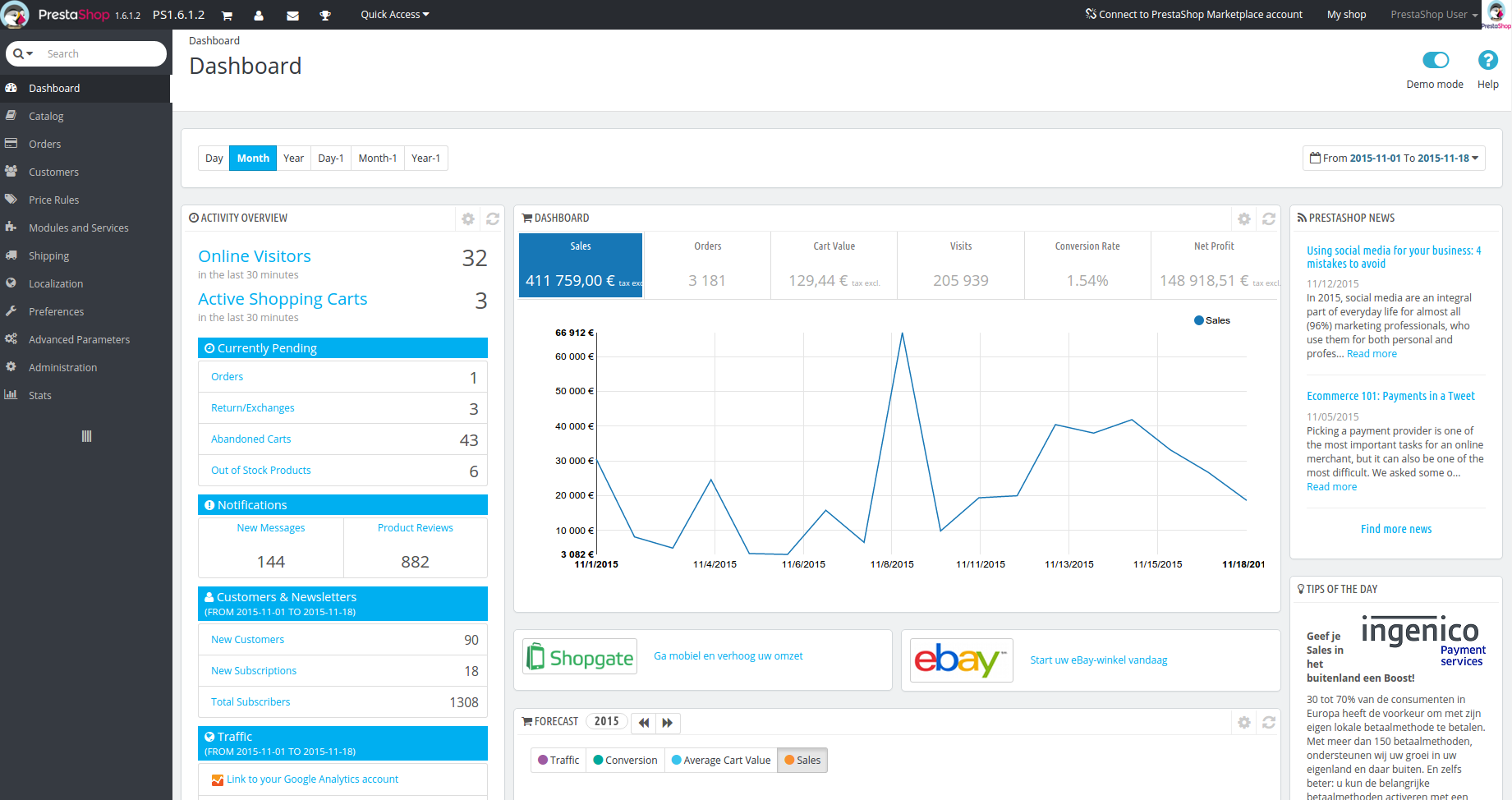
PrestaShop
Built on the Symfony framework, PrestaShop is a highly stable and efficient platform. It is a favorite among European merchants and those managing complex international catalogs.
- International Ready: Excellent support for multiple languages and currencies out of the box.
- Back-Office Efficiency: Features a powerful admin interface for managing orders, customers, and complex shipping rules.
- Modern Design: The latest release (9.1) includes the "Hummingbird" theme, which focuses on speed, accessibility, and mobile-first design.
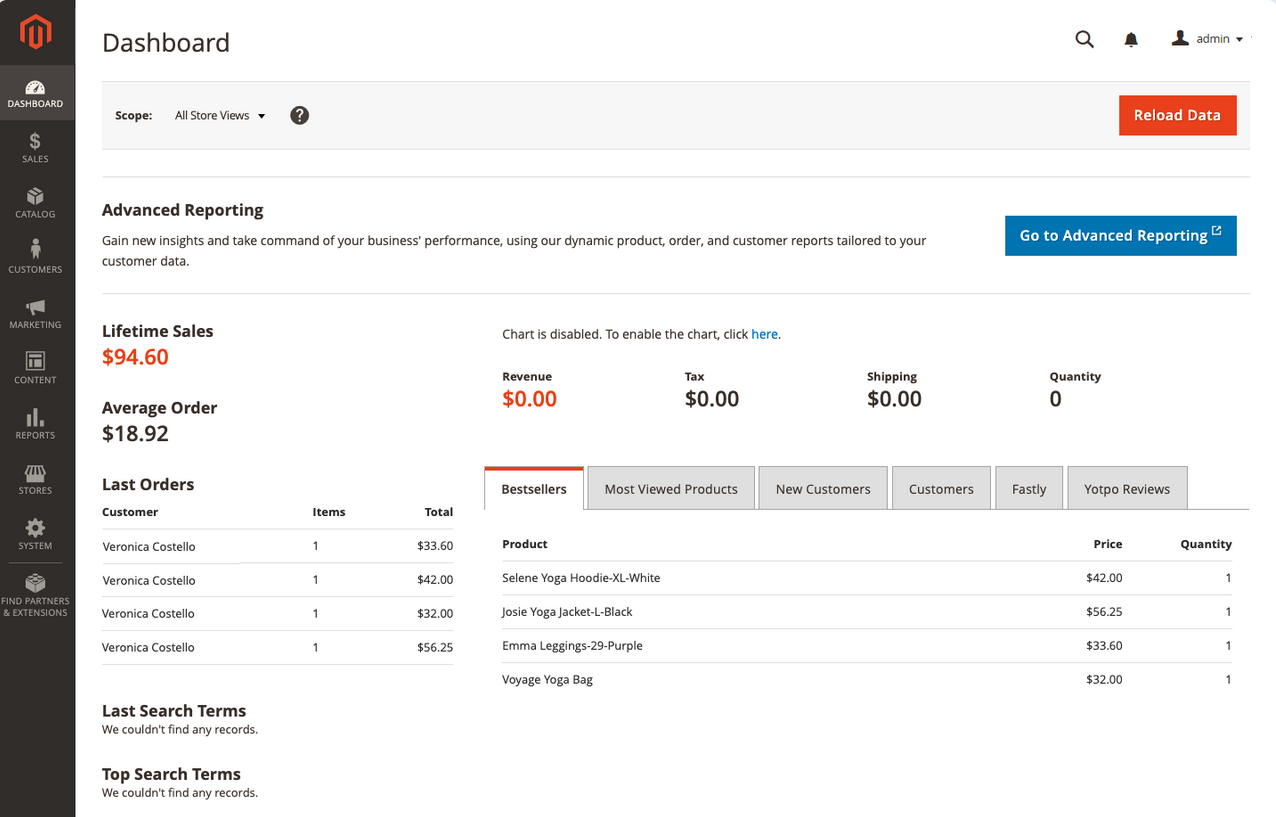
Magento (Adobe Commerce)
Widely regarded as the powerhouse of the eCommerce world, Magento is designed for enterprise-level businesses that require high security and extreme scalability.
- Enterprise Power: Built to handle thousands of products and massive traffic spikes without compromising performance.
- High Security: Magento 2.4.8 offers advanced security patches and support for the latest web standards (PHP 8.3 and MySQL 8.4).
- Flexibility: It offers a highly feature-rich environment with detailed control over categories, custom attributes, and complex inventory tracking.
Bagisto
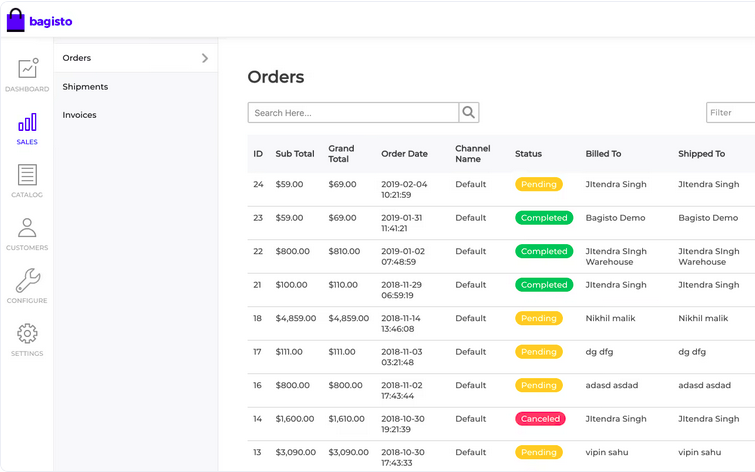
Bagisto is a rapidly growing open-source eCommerce platform built on the Laravel framework. It is particularly popular for its modularity and ease of use for developers already familiar with PHP.
- Multi-Store Management: Manage several online stores from a single admin panel.
- Multi-Vendor Support: You can easily transform your shop into a marketplace (like Amazon or Etsy) using its marketplace extensions.
- Modern Tech Stack: The latest versions are compatible with PHP 8.3 and Laravel 12, featuring built-in Generative AI tools to help automate product descriptions and content management.
Summary
Choosing between these platforms depends on your technical expertise and business size:
- Bagisto is perfect for Laravel developers and multi-vendor needs.
- Magento is the gold standard for large-scale, high-security enterprises.
- WooCommerce is the best choice for WordPress users.
- PrestaShop excels in managing complex international inventories.
- OpenCart provides a lightweight, easy-to-use solution for small to medium retailers.
By leveraging these open-source tools, businesses can avoid high licensing fees and build a unique digital storefront that grows alongside their success.